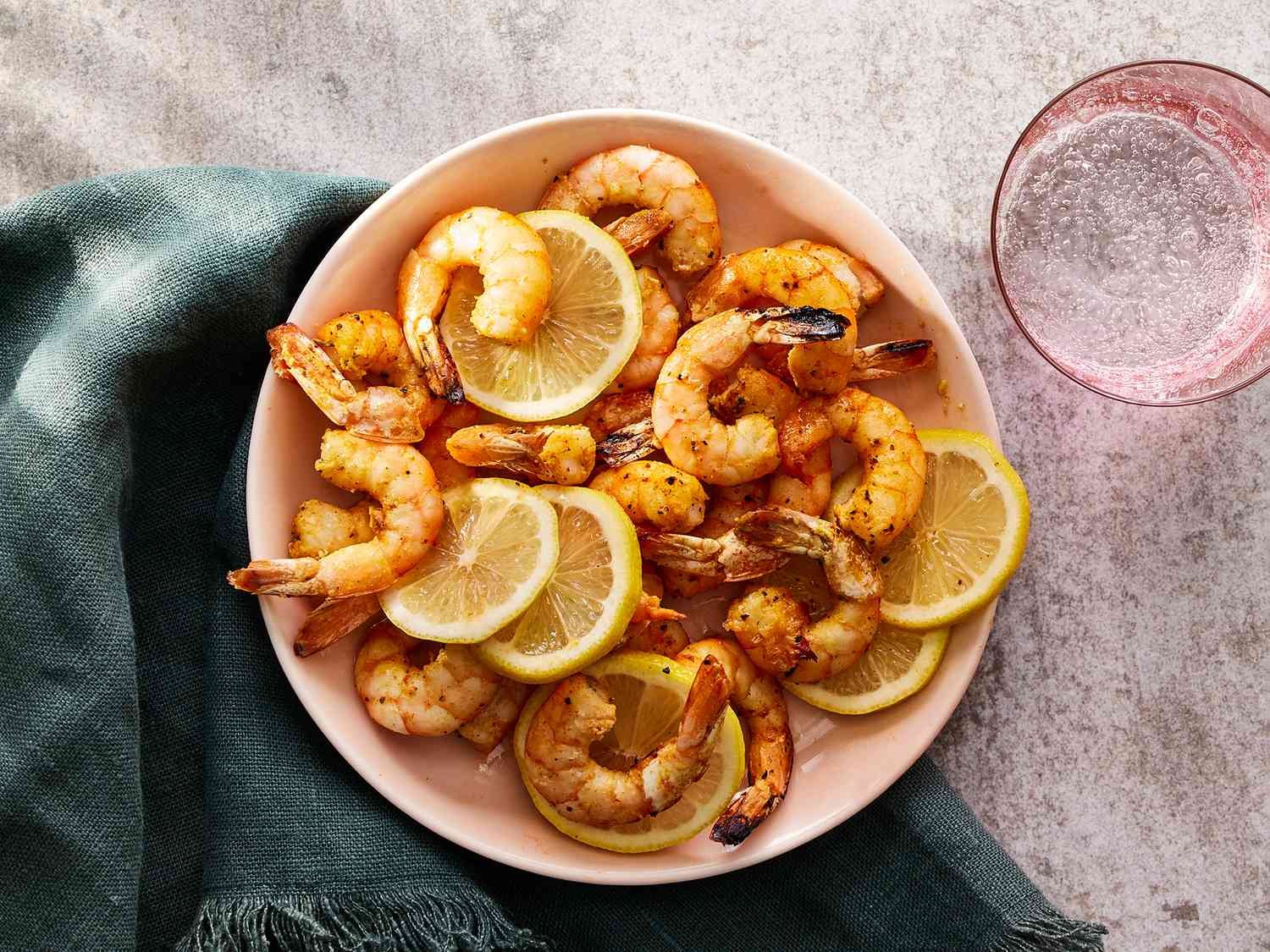
I’ve always been a sucker for that perfect blend of tangy citrus and bold pepper in seafood dishes. Back in my college days, I stumbled upon this gem at a local Chinese-American spot during a late-night study break. The crispy shrimp coated in that glossy, lemony sauce had me hooked instantly—it was like a flavor explosion that turned a crappy week around. Fast forward to now, and I’ve tweaked it in my own kitchen countless times, adding a bit more ginger here or extra lemon zest there to make it my go-to for quick dinners. If you’re craving something zesty yet simple, this Chinese lemon pepper shrimp recipe will hit the spot without much fuss.
What is Chinese Lemon Pepper Shrimp?
Chinese lemon pepper shrimp is a delightful fusion dish that marries the crispiness of lightly fried shrimp with a sweet-savory sauce bursting with lemon and black pepper notes. It’s often inspired by Chinese-American restaurant favorites, like those from P.F. Chang’s, where the shrimp gets wok-tossed for that perfect texture. Think of it as an elevated stir-fry—shrimp coated in cornstarch for crunch, then drenched in a sauce that’s equal parts tangy, peppery, and umami-rich from soy and garlic. It’s quick to whip up, making it ideal for weeknights when you want restaurant vibes at home.
The Origins of This Flavorful Dish
This recipe draws roots from Chinese stir-fry techniques but with a twist that screams American fusion, popularized in chains like P.F. Chang’s back in the early 2000s. It’s not strictly traditional Chinese but blends Cantonese frying methods with Western lemon-pepper seasoning for a crowd-pleaser. I remember reading about how chefs adapted it for U.S. palates, amping up the citrus to cut through the richness—it’s evolved into a staple for home cooks seeking easy Asian-inspired meals. Its popularity spiked online around 2012, with bloggers sharing copycat versions that keep the essence alive.
Why You’ll Love This Recipe
What sets this apart is its balance—crispy exterior, juicy shrimp inside, and a sauce that clings just right without overwhelming. It’s versatile too, pairing with rice or veggies for a complete meal in under 30 minutes. Plus, it’s forgiving for beginners; even if you overcook slightly, the sauce saves the day with its bright flavors. I once burned the garlic a tad, but a squeeze of extra lemon fixed it—humorously turning “charred” into “caramelized” in my book.
Essential Ingredients for Chinese Lemon Pepper Shrimp
Gathering the right ingredients is key to nailing that authentic taste. You’ll need fresh shrimp as the star, plus pantry staples for the sauce. Here’s a breakdown to make shopping easy:
- Shrimp: 1 lb medium raw, peeled and deveined—fresh or frozen works, but thaw fully for even cooking.
- Cornstarch: ½ cup for coating, giving that signature crisp without heavy batter.
- Vegetable Oil: 1 cup for frying, plus 1 tbsp for the sauce—neutral oil like canola is best.
- Garlic and Ginger: 2 tbsp chopped garlic, ½ tsp minced ginger—fresh for punchy aroma.
- Soy Sauce: ⅓ cup low-sodium to control saltiness.
- Water and Cornstarch Slurry: ¾ cup water mixed with 2 tsp cornstarch for thickening.
- Brown Sugar: ¼ cup dark for subtle sweetness.
- Lemon Juice and Slices: 2 tsp juice, plus 4 thin slices—use fresh lemons for zest.
- Black Pepper: 2 tsp coarse ground for that peppery kick.
- Garnishes: 2 green onions sliced, optional bell peppers or bean sprouts for veggies.
Pro tip: Opt for wild-caught shrimp if possible; they hold up better to frying and taste cleaner.
Step-by-Step Cooking Instructions
Follow these steps for foolproof results—I’ve broken it down simply, based on my trial-and-error sessions.
Preparing the Shrimp
Start by patting the shrimp dry with paper towels to ensure the coating sticks well. Toss them in a bowl or bag with the ½ cup cornstarch, letting it sit for 5 minutes—this helps the crunch factor. Shake off excess cornstarch before frying to avoid clumping. If you’re short on time, this step can be done ahead and refrigerated.
Making the Lemon Pepper Sauce
In a small wok or saucepan, heat 1 tbsp oil over medium. Sauté garlic, ginger, and lemon slices for 15 seconds until fragrant—don’t let it burn, or it’ll turn bitter. Stir in soy sauce, water-cornstarch mix, brown sugar, lemon juice, and black pepper. Bring to a boil, then simmer 2 minutes until thickened. Set aside; it’ll glossy up nicely as it cools.
Frying the Shrimp to Perfection
Heat 1 cup oil in a wok or skillet over medium-high. Add shrimp in batches, frying 3-4 minutes until golden and cooked through— they’ll curl and turn opaque. Drain on paper towels to keep them crisp. If oil splatters too much, lower the heat slightly; safety first, folks.
Combining Everything
Toss the fried shrimp back into the wok with the sauce, coating evenly over low heat for 1 minute. Add any veggies like sliced bell peppers if using, for extra color and crunch. Garnish with green onions right before serving—the fresh pop ties it all together beautifully.
Cooking Tips and Tricks from Experience
From my kitchen mishaps, always taste the sauce midway and adjust pepper if needed—too much can overpower the lemon. Use a spider strainer for easy shrimp removal from hot oil. For a healthier twist, air-fry the coated shrimp at 400°F for 8-10 minutes instead of deep-frying; it saves oil and cleanup time. And remember, fresh lemon juice beats bottled every time for that zing.
Variations to Spice Up Your Dish
Healthier Air Fryer Version
Swap deep-frying for air-frying: Coat shrimp as usual, spray with oil, and cook at 375°F for 7-9 minutes, shaking halfway. Toss in sauce after—same great taste, fewer calories. It’s perfect if you’re watching your oil intake but still want that crunch.
Spicy Twist with Chili
Add ½ tsp red pepper flakes or sliced chilies to the sauce for heat. It amps up the Chinese flair, blending well with the pepper. I’ve tried this on game nights, and it disappears fast—pairs great with cold beer.
Vegetarian Alternative
Sub shrimp with tofu cubes or cauliflower florets, coated and fried similarly. The sauce works wonders on veggies too. It’s a hit with my plant-based friends, keeping the dish inclusive without losing flavor.
Nutritional Benefits and Considerations
Shrimp packs protein—about 20g per serving—plus low carbs, making this keto-friendly if you skip sugar or use a substitute. Lemons add vitamin C for immune boost, while ginger aids digestion. A single serving clocks around 300-400 calories, depending on frying method. Watch sodium from soy; opt for low-sodium versions if needed.
| Nutrient | Per Serving (approx.) | % Daily Value |
|---|---|---|
| Calories | 350 | 18% |
| Protein | 24g | 48% |
| Carbs | 25g | 9% |
| Fat | 18g | 23% |
| Vitamin C | 15mg | 17% |
Pros and Cons of This Recipe
Pros:
- Quick prep—under 30 minutes total.
- Customizable heat and flavors.
- Impressive for guests yet beginner-friendly.
Cons:
- Frying can be messy without proper tools.
- High sodium if not adjusted.
- Requires fresh ingredients for best results.
Comparing Chinese Lemon Pepper Shrimp to Other Shrimp Dishes
Unlike garlic butter shrimp, which is richer and creamier, this version leans tangy and peppery with Asian umami. Compared to salt and pepper shrimp, it adds lemon for brightness, making it less salty. Versus bang bang shrimp, it’s lighter without mayo-based sauce—ideal for those preferring citrus over spice. In my trials, it edges out for versatility in meals.
What to Serve with Chinese Lemon Pepper Shrimp
Pair it with steamed jasmine rice to soak up the sauce, or over stir-fried veggies like broccoli for a low-carb option. A side salad with cucumber and sesame dressing refreshes the palate. For drinks, try iced green tea or a crisp white wine—cuts through the pepper nicely. I’ve served it at barbecues with fried rice, and it’s always a crowd favorite.
Where to Buy Quality Ingredients
Head to your local Asian market for fresh ginger and affordable shrimp—places like H Mart often have deals. Online, Amazon stocks lemon pepper blends if you’re short on time (affiliate link: Amazon Lemon Pepper). For bulk, Costco’s frozen shrimp bags are reliable and cost-effective for frequent cooks.
Best Tools for Making This Recipe
A good wok is essential—try this carbon steel one for even heat (link: Best Wok Recommendations). Slotted spoon or spider strainer makes frying safe and easy. For air fryer fans, the Ninja model handles shrimp perfectly without oil mess (affiliate: Ninja Air Fryer). These tools elevate your game without breaking the bank.
People Also Ask
How Do You Make Lemon Pepper Shrimp from Scratch?
Start with coating deveined shrimp in cornstarch, fry until crispy, then toss in a sauce of soy, lemon juice, brown sugar, garlic, ginger, and black pepper. Simmer briefly and garnish with green onions. It’s straightforward—total time about 25 minutes for a restaurant-quality dish at home.
Is Lemon Pepper Good on Shrimp?
Absolutely, the citrus cuts through shrimp’s mild flavor, while pepper adds subtle heat. It’s a match made in heaven, enhancing without overpowering, especially in Chinese-style recipes. Many love it for its bright, zesty profile.
What Goes Well with Lemon Pepper Shrimp?
Steamed rice, stir-fried veggies, or a fresh salad complement it beautifully. For sides, try quinoa or noodles to make it a full meal. Wine or beer pairings work too for casual dinners.
Can You Air Fry Lemon Pepper Shrimp?
Yes, coat as usual, air fry at 400°F for 8-10 minutes, then sauce it up. It’s healthier and just as crispy. Great for quick cleanups.
How Many Calories Are in Lemon Pepper Shrimp?
Around 300-400 per serving, depending on portions and cooking method. It’s protein-packed and relatively low-cal for a fried dish.
FAQ
Can I Use Frozen Shrimp for This Recipe?
Yes, thaw them completely in cold water, pat dry, and proceed. Frozen works fine and is often more budget-friendly—just ensure they’re raw, not pre-cooked.
How Spicy Is Chinese Lemon Pepper Shrimp?
It’s mildly spicy from the black pepper, but not overwhelming. Adjust by reducing pepper or adding more sugar for balance—customize to your taste.
What’s the Best Way to Store Leftovers?
Refrigerate in an airtight container for up to 2 days. Reheat in a skillet over low heat to keep crispiness; microwave softens it but still tastes good.
Can This Be Made Gluten-Free?
Absolutely—use tamari instead of soy sauce and ensure cornstarch is GF-certified. The rest is naturally gluten-free.
Is This Recipe Kid-Friendly?
Kids often enjoy the sweet-tangy sauce, but tone down pepper if needed. Mine love it over rice, calling it “fancy chicken nuggets of the sea.”
Wrapping this up, diving into Chinese lemon pepper shrimp has been a flavorful journey for me—from that first restaurant bite to perfecting it at home. It’s more than a recipe; it’s a quick escape to bold tastes that brighten any day. Give it a shot, tweak it your way, and let me know how it turns out—maybe it’ll become your staple too. For more shrimp ideas, check our shrimp stir-fry guide. Happy cooking!