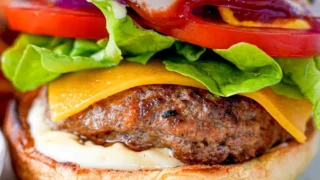
Picture this: It’s a warm summer evening, and the smell of sizzling beef wafts through the backyard. I still remember my first attempt at homemade burgers back in college—they came out like dry hockey pucks, more suitable for a game than dinner. But after years of tweaking recipes in my kitchen and grilling with friends, I’ve cracked the code to those mouthwatering, drip-down-your-chin patties that make everyone ask for seconds. If you’re tired of bland store-bought options and ready to elevate your burger game, this guide is your ticket. We’ll dive deep into creating juicy homemade beef burgers that burst with flavor, using simple techniques and everyday ingredients. Trust me, once you master this, you’ll never look back.
What Makes a Burger Truly Juicy?
At the heart of any great burger is moisture—it’s what turns a basic patty into something unforgettable. Fat plays a starring role here, melting during cooking to lock in juices and add that rich taste we crave. But it’s not just about the beef; little tricks like not overworking the meat or adding a touch of liquid can make all the difference. Think of it as nurturing your patty like a good friend—handle it gently, and it’ll reward you with tenderness.
Choosing the Right Ground Beef
Start with fresh ground chuck or a blend that includes brisket for the best texture and flavor. Avoid pre-packaged patties; grinding your own or buying from a trusted butcher ensures quality. I once grabbed a lean cut by mistake, and let’s just say the result was more cardboard than carnivore delight—lesson learned.
The Importance of Fat Content
Aim for an 80/20 lean-to-fat ratio; that 20% fat is your secret weapon for juiciness without greasiness. Too lean, and your burgers dry out fast, but the right balance keeps them succulent. It’s like adding butter to toast—essential for that perfect bite.
Essential Ingredients for Your Burger Patties
Gather simple staples to build flavor without overwhelming the beef. You’ll need ground beef, an egg for binding, breadcrumbs to absorb moisture, and seasonings like Worcestershire sauce for umami depth. Don’t forget salt and pepper; they’re the unsung heroes that amplify everything.
- 1-2 pounds of 80/20 ground beef for 4-6 patties.
- One beaten egg to hold it all together.
- Half a cup of breadcrumbs or crushed crackers for texture.
- A splash of milk or Worcestershire to boost moisture.
- Garlic powder, onion powder, and a pinch of paprika for subtle kick.
Mix these gently by hand—overmixing toughens the meat, and nobody wants a chewy surprise.
Step-by-Step Recipe for Juicy Homemade Beef Burgers
Creating these burgers is straightforward, but timing and technique matter. Prep takes about 10 minutes, and cooking another 10-15, making it ideal for weeknights or weekends. Follow along, and you’ll have patties that rival any steakhouse.
Preparing the Patty Mixture
In a large bowl, whisk your egg, milk, and seasonings first, then fold in the beef and breadcrumbs. Use your hands sparingly to combine—think of it as a light massage, not a workout. This keeps the fat intact for maximum juiciness.
Shaping the Perfect Patties
Divide into portions, about 1/3 pound each, and form into discs slightly wider than your buns. Press a thumb indent in the center to prevent puffing. Chill them in the fridge for 30 minutes; it’s like giving them a quick nap to firm up.
Cooking to Perfection
Heat your grill or pan to medium-high, oil lightly, and cook 4-5 minutes per side for medium. Flip once, add cheese in the last minute if desired. Rest for a few minutes post-cook—patience here means juicier results.
Cooking Methods: Grill vs. Stovetop
Both methods deliver delicious burgers, but your choice depends on weather and mood. Grilling adds smoky char, while stovetop offers control in any season. I’ve burned a few on the grill during rainy days, so indoor cooking saved many dinners.
Grilling for That Smoky Flavor
Preheat to medium, place patties over direct heat, and close the lid for even cooking. The open flame infuses that backyard BBQ essence, perfect for gatherings.
Stovetop for Quick and Easy
Use a cast-iron skillet for a seared crust; cook over medium-high with a splash of oil. It’s my go-to on busy nights—juicy inside, crispy outside, no fuss.
Here’s a quick comparison table:
| Method | Time per Side | Pros | Cons |
|---|---|---|---|
| Grill | 4-6 minutes | Smoky flavor, fun vibe | Weather-dependent |
| Stovetop | 3-5 minutes | Year-round, even heat | Less char |
Pros of grilling: Authentic taste, great for groups. Cons: Can dry out if overcooked. Pros of stovetop: Consistent results, easy cleanup. Cons: Misses that outdoor aroma.
Toppings and Bun Choices to Elevate Your Burger
Toppings turn a good burger into a masterpiece—layer thoughtfully for balance. I once overloaded with everything and ended up with a slippery mess; now, I keep it simple yet flavorful.
- Classic: Lettuce, tomato, onion, and pickles for crunch.
- Cheesy: Melted cheddar or pepper jack for gooey goodness.
- Gourmet: Avocado, bacon, or caramelized onions for extra indulgence.
- Sauces: Ketchup, mustard, or homemade BBQ for tang.
Choose brioche buns for softness—they toast beautifully and hold up to juices without sogginess. Potato buns work too, adding a subtle sweetness.
Common Mistakes to Avoid When Making Burgers
Even seasoned cooks slip up, but dodging these pitfalls ensures success. My early disasters taught me these lessons the hard way—humorously, one batch was so dry, my dog wouldn’t touch it.
- Overworking the meat: Leads to tough patties; mix just until combined.
- Skipping the indent: Causes doming and uneven cooking.
- Pressing down while cooking: Squeezes out precious juices.
- Not resting after cooking: Juices redistribute for better bites.
- Using lean beef: Opt for fatty cuts to avoid dryness.
People Also Ask
Drawing from real Google queries, here are answers to common questions about juicy homemade beef burgers.
How Do You Keep Homemade Burgers Juicy?
Use 80/20 beef, add binders like egg and breadcrumbs, and avoid overcooking. A quick chill before cooking helps too—it’s all about preserving natural moisture.
What Is the Secret to Juicy Hamburgers?
The fat content and gentle handling are key; incorporate Worcestershire for flavor without drying. Resting post-cook seals in juices like magic.
How Do You Make Burgers Juicy and Not Dry?
Don’t press the patties while cooking, and use a thermometer for precision—aim for 140-145°F for medium. High heat sears the outside, locking in tenderness.
What to Add to Hamburger Meat to Make It Juicy?
Try milk, egg, or grated onion; they add moisture without altering taste much. It’s a subtle boost that pays off big.
Where to Get the Best Ingredients for Your Burgers
For top-notch ground beef, head to local butchers like those at farmers’ markets or chains like Whole Foods. Online, sites like ButcherBox deliver fresh cuts right to your door. Buns? Check bakery sections at grocery stores or specialty spots for brioche.
Best Tools for Making Juicy Homemade Beef Burgers
Invest in a good meat thermometer for doneness—models like ThermoWorks are reliable and under $50. A cast-iron skillet or grill pan ensures even heat; Weber grills are great for outdoors. Burger presses help shape uniform patties without hassle.
Pros of a burger press: Consistent size, easy use. Cons: One more gadget to store. For thermometers, pros: Prevents overcooking; cons: Small learning curve.
FAQ
Can I Freeze Homemade Burger Patties?
Yes, shape and freeze raw patties between wax paper for up to three months. Thaw in the fridge overnight before cooking for best results.
What’s the Best Way to Season Beef Burgers?
Keep it simple with salt, pepper, garlic, and Worcestershire—add before forming patties. Season generously but taste a small test patty first.
How Long Should I Cook Burgers for Medium Doneness?
About 4-5 minutes per side on medium heat, until internal temp hits 140°F. Rest to reach 145°F.
Are Homemade Burgers Healthier Than Store-Bought?
Often yes, since you control ingredients—no preservatives or excess sodium. Pair with veggies for a balanced meal.
Can I Make These Burgers Without a Grill?
Absolutely, stovetop works wonders with a hot pan for that seared finish. It’s quick and just as tasty.
Wrapping up, crafting juicy homemade beef burgers is more art than science, blending quality ingredients with a bit of patience. Whether you’re firing up the grill for a family BBQ or whipping up a quick dinner, these tips will have you serving up smiles. Experiment, have fun, and remember— the best burger is the one made with love. For more grilling ideas, check our internal link to BBQ sides, or explore external resources like AllRecipes for variations. Happy cooking!